2-Week Natural Building Course
Farm Finn, Chefchaouen,
Morocco
Number of Students: up to 14
Cost: $2000
Meals and lodging included (read below)
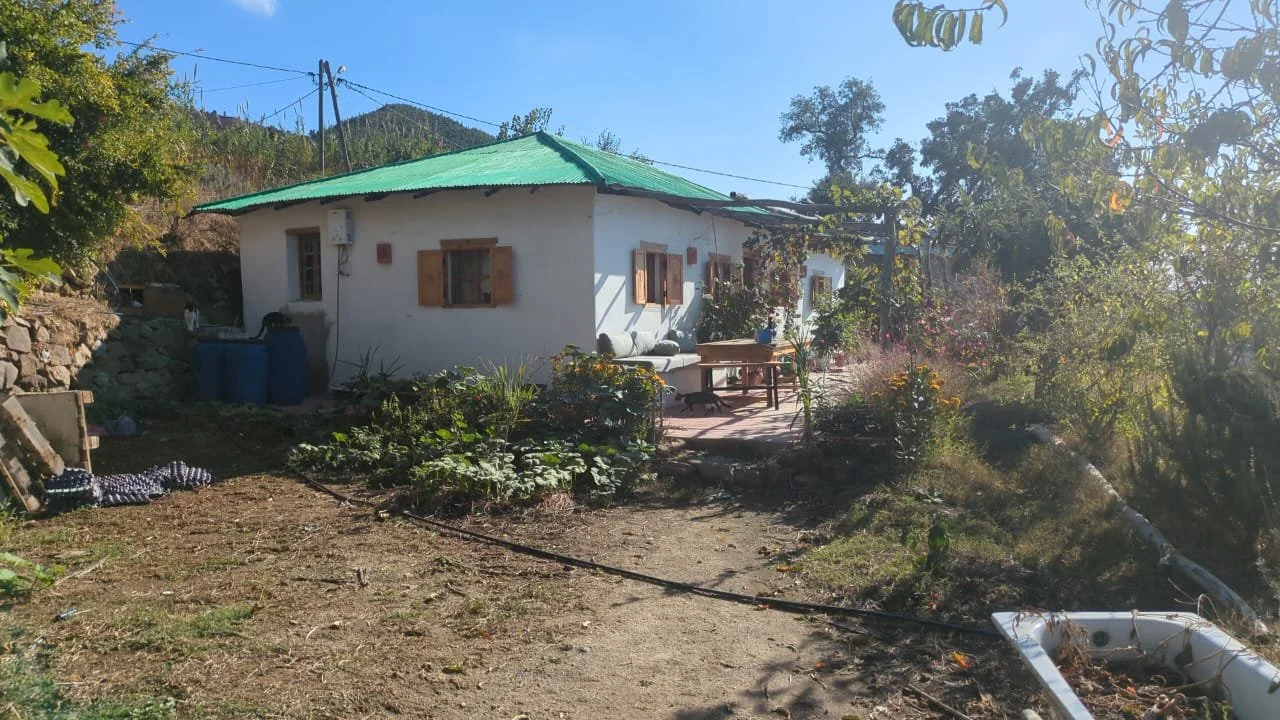
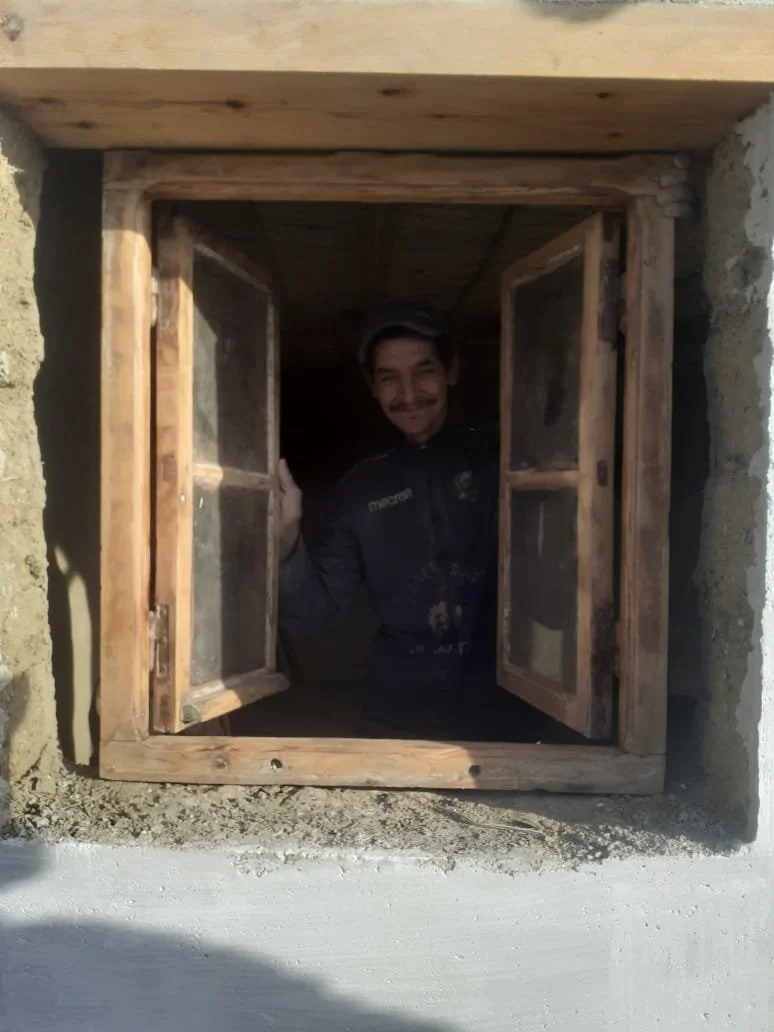
This is a special class for us at Cobitat. In addition to having a fascinating culture and history, diverse geography and ecosystems, and serving as the gateway between Europe and Africa, Morocco has a long history of earthen building. Earthen blocks, cob, and rammed earth walls along with lime plaster called tadelakt have all been used for centuries and into the modern era. But, like many vernacular building styles around the world, this knowledge is being lost as less sustainable and industrialized materials like concrete take over. Farm Finn, however, has worked with local knowledgeable craftsmen to build an earthen house and are excited to host us to help foster an exchange of learning around natural building. But, it doesn’t end there.
For us, natural building is just one part of living in a way that helps create a new and regenerative paradigm to foster a more just, verdant, and beautiful future. Farm Finn is working to be a part of that new paradigm by utilizing tourism at it’s organic and “permacultured” farm and micro-hotel to support traditional ways of life while demonstrating how to adapt to a changing environment.
Our host Paul has spent decades working with organizations like Oxfam, UNICEF, and Save the Children helping communities around the globe clean and protect water resources, improve sanitation, and adapt to a changing climate. Farm Finn is his attempt to do the same work on a local and regional scale over a longer period while rooted in a community. His vision includes creating a climate change adaptation learning center that will teach and demonstrate permaculture, natural building, and other appropriate and democratic technologies.
We are excited to be a part of that vision and hope you’ll join us on this a once-in-a-lifetime natural building experience in Morocco.
The Building Project
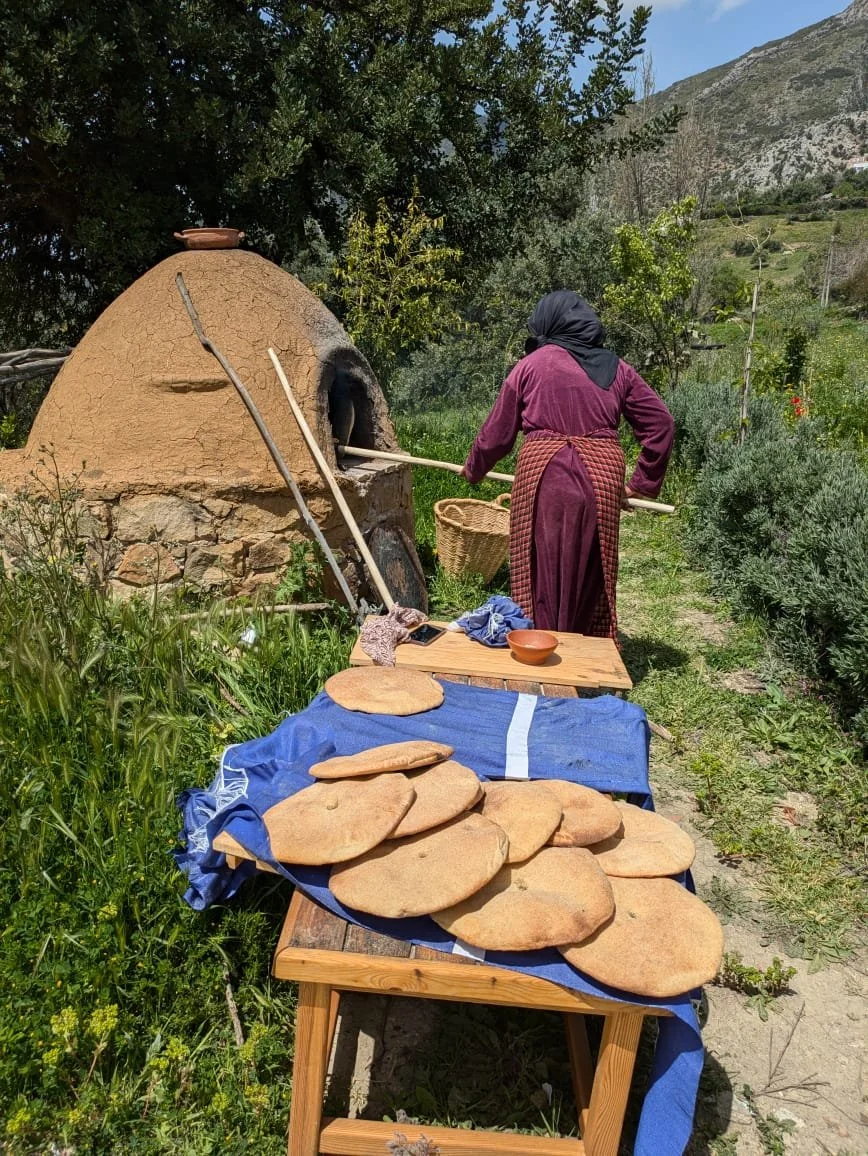
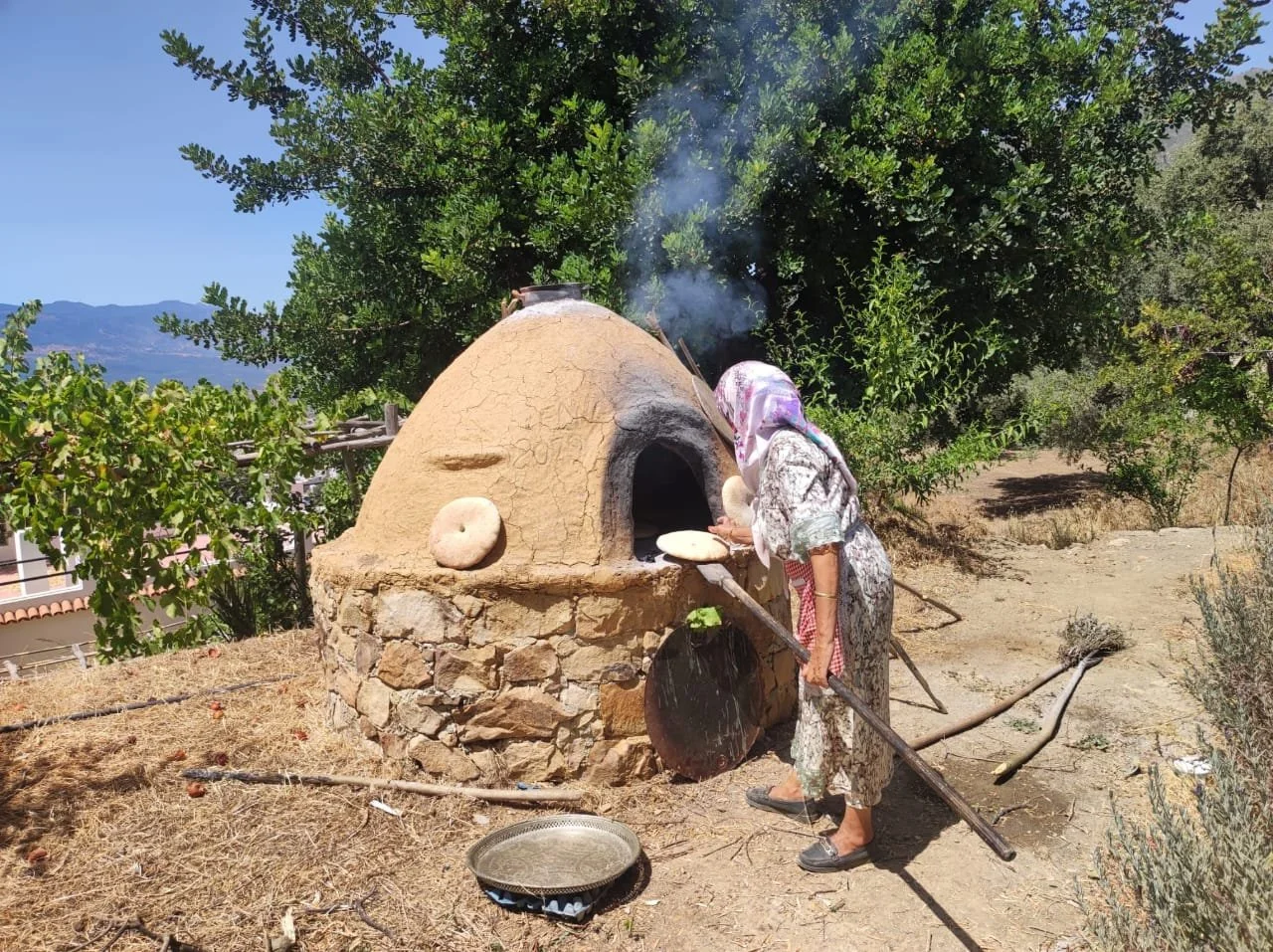
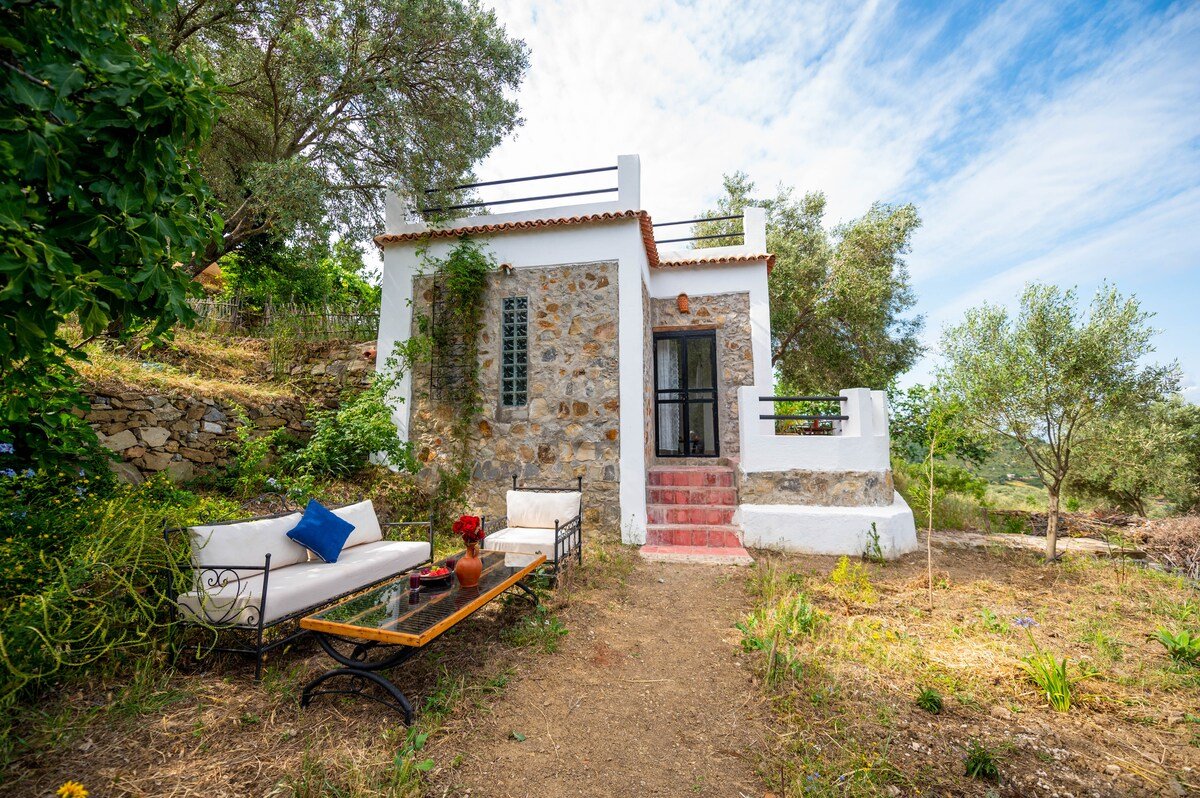
We’ll help build a 400 square foot earthen cabin alongside local craftsmen at beautiful Farm Finn. We’ll also build and use a cob oven.
We’ll teach foundations, wall building and how to attach a roof. You’ll learn cob, adobe, slipstraw, cordwood cob, balecob, rammed earth, and the basics of base and finish plasters. We’ll also have time for sculpting and carving and earthen floor basics. The course will include instruction from a local tadelakt experts and deep dives into the sustainability systems on site.
About the Site
From the Farm Finn website:
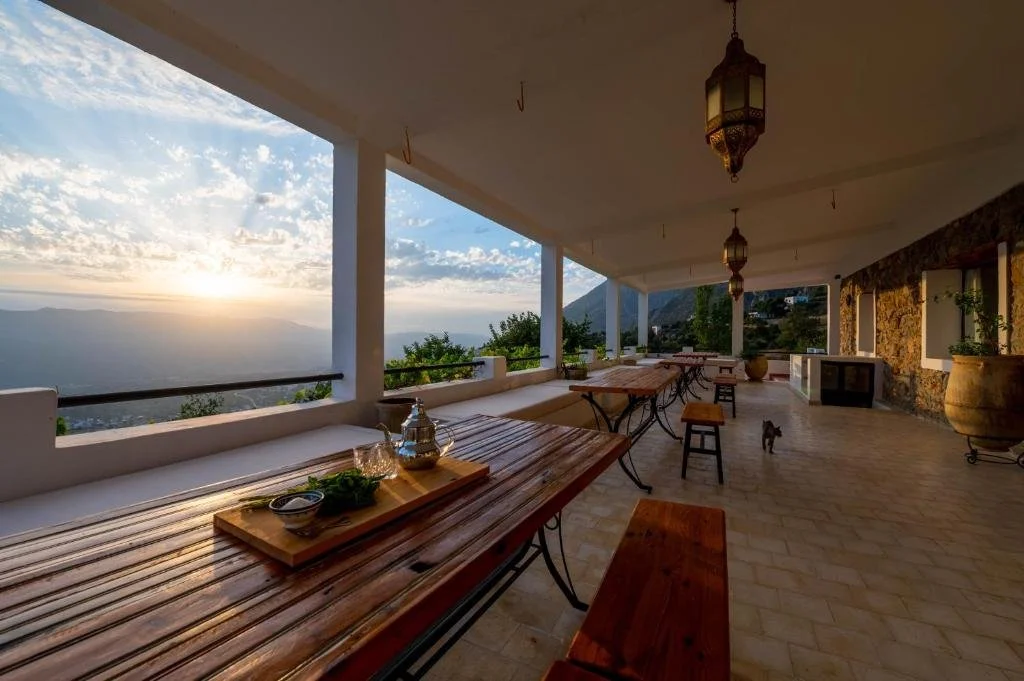
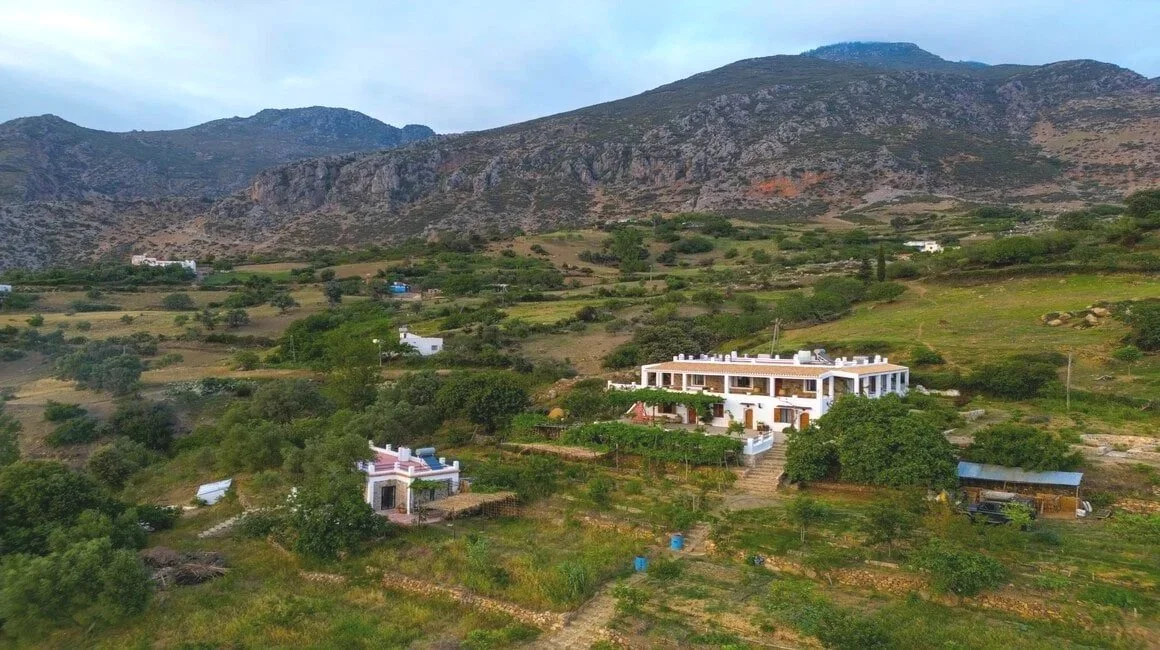
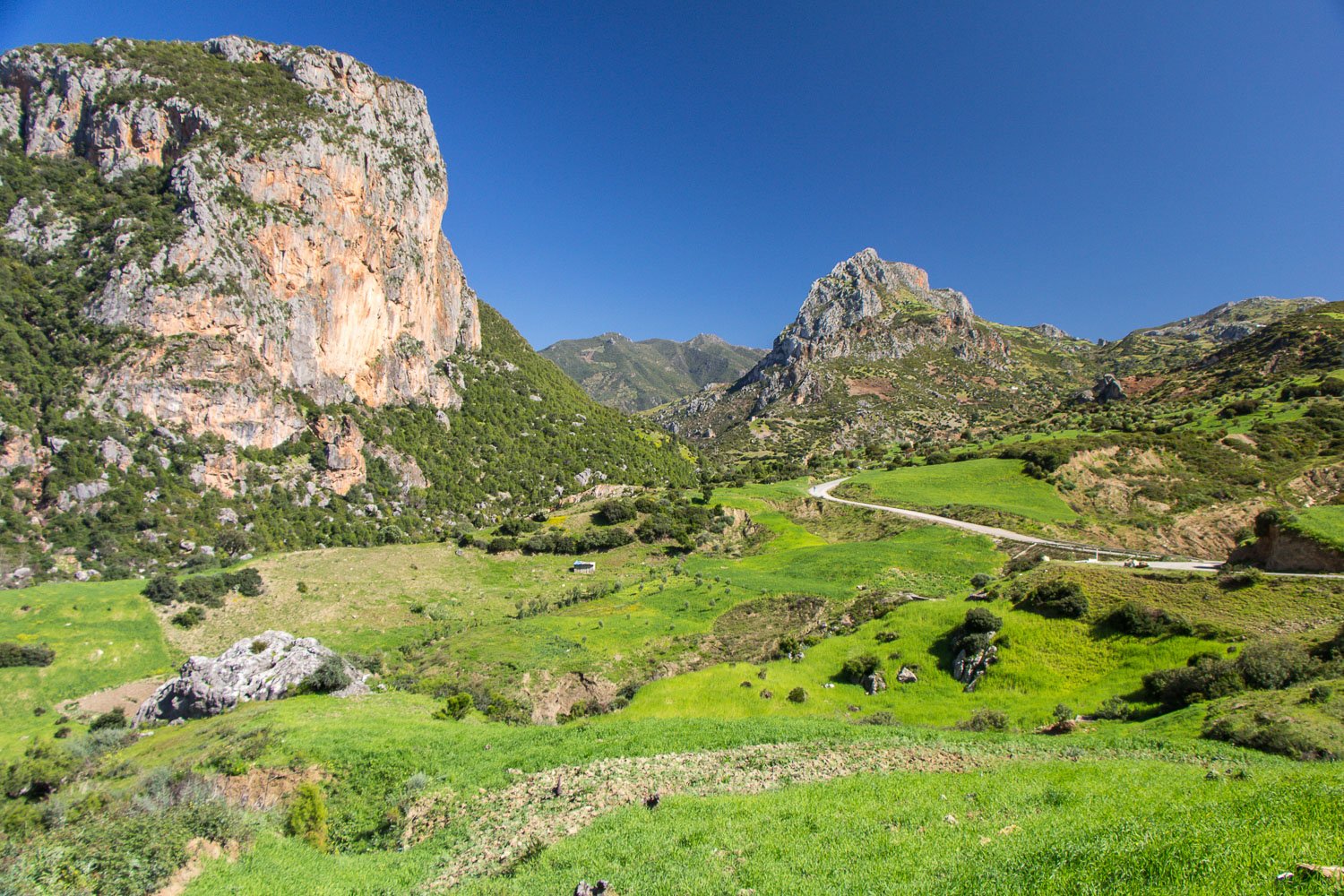
Farm Finn is something of a dream. A dream to combine agro-tourism, organic farming and experimenting with climate change adaptation processes within the spectacular surroundings of the Rif Mountains in northern Morocco, only 10 minutes drive from Chefchaouen.
During your stay we hope to introduce you to the surrounding nature and traditional life of the people who live in rural Morocco, the Jebli of the Rif mountains.
Located in the village of Loubar al Fuq, aside the peaks of the Talassemtane National Park, Farm Finn looks down on the world-famous blue city of Chefchaouen – easily accessible by car, on a well-established unpaved road or on foot, on a beautiful walking path from Ras el Mar and the “Spanish Mosque” of Chefchaouen.
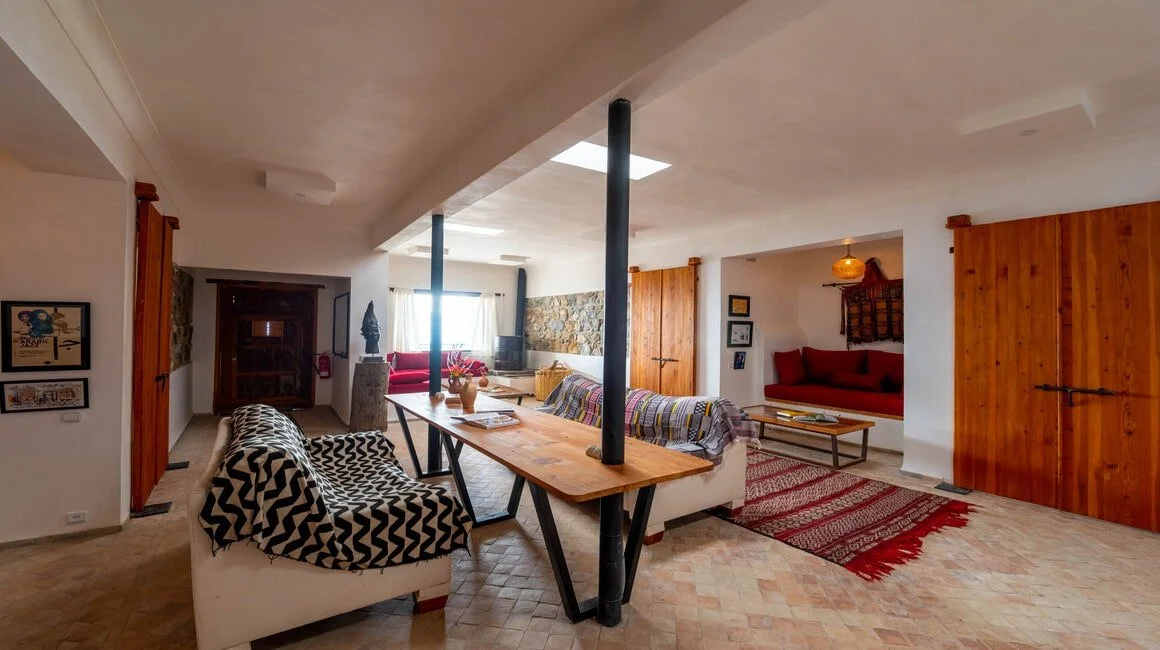
Our seven modern en suite, single or double bedrooms, each with their own private garden terrace, are designed for you to relax in contemporary comfort, leaving behind the stresses of the modern world, in exchange for the natural beauty and traditional rhythms of life in rural Morocco.
At Farm Finn, we strive to produce our own seasonal organic fruits and vegetables for our vegetarian and vegan “farm to fork” menus. We also raise an assortment of farm animals; chickens, goats, donkeys, dogs and a cat called …”Cat”, sharing our space with a wonderful array of lizards, butterflies and birds that help pollinate and maintain our organic gardens.
Overview
We love teaching natural building, and particularly these longer workshops, and by the end of each one we’re left with renewed hope for the world and humanity. And our students feel that, too, as we come together in a community of learners around this almost magical process of shaping earth (and other natural materials) into beautiful and useful creations. That we get to do this at all is amazing but that we get to do it in Morocco this time is even more special.
We’re confident in saying that this is one of the most comprehensive natural building workshops you can find. Over two weeks you will develop a deep understanding of the materials and how they interact to produce desired results. This workshop provides the “time on the wall” that is essential to developing a fluency with these ageless approaches. The knowledge you gain will help you create spaces that honor the earth, our ancestors, and craft while helping us chart a better course into the future.
Our instructors have decades of experience on four different continents. This has helped us design rich learning environments giving students the tools they need to become confident earthen builders.
Earth is the mother of all building materials. For millennia, and all over the world, people have used earth to build beautiful, simple, efficient and inexpensive homes. It's plentiful, ecological, and non-toxic. Plus, it can't burn, won't rot and is much simpler to build with than conventional construction.
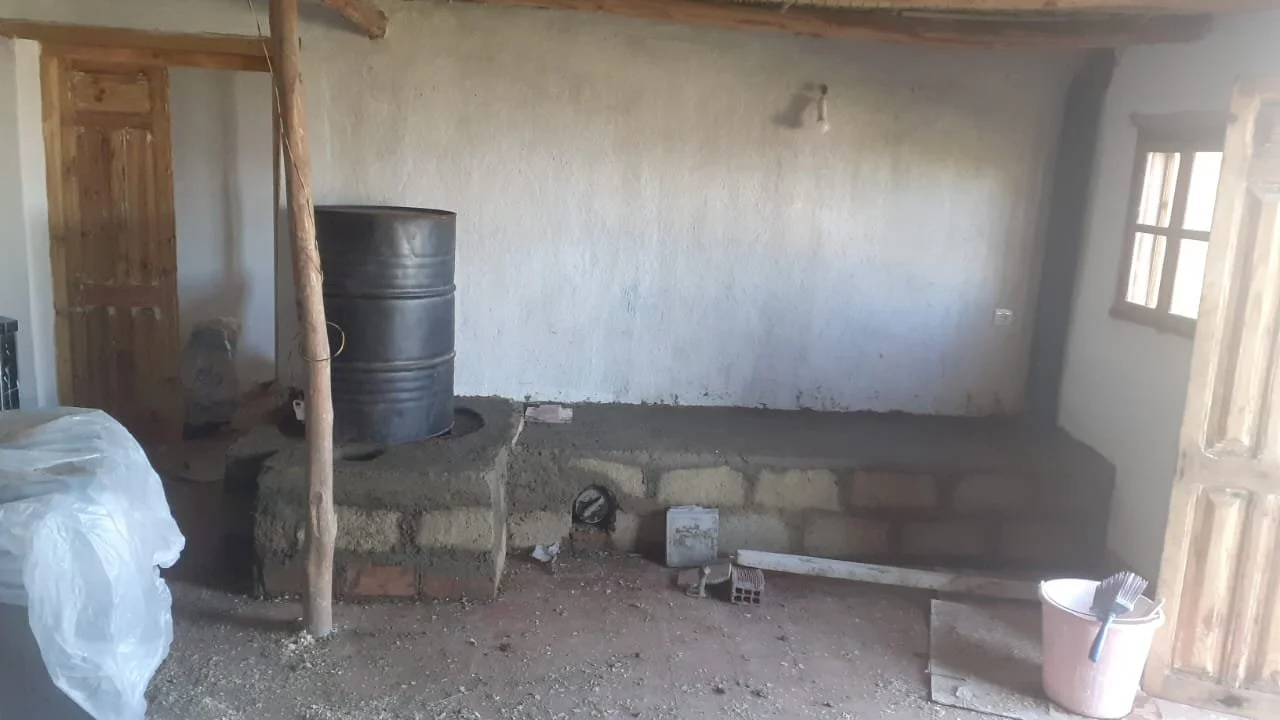
We will teach you how to use clay-soil to build just about everything: from strong structural walls (cob and adobe) to plasters and light-straw-clay (slipstraw) walls. Because the materials are fireproof, they are ideally suited to sculpt ovens, fireplaces and cook stoves.
The essence of your learning experience will revolve around developing a deep understanding of how to process and combine a few simple materials: clay-soil, sand, and straw. How you apply that in your building adventures is then up to you, but you will the find the possibilities endless and exciting.
What you will learn
Design and build a cottage using earth and other natural materials
Remodel or renovate an existing home using natural materials
Build and use an earthen oven
Use natural materials to create garden walls and sculptural art pieces
Teach an intro natural building class
Specifically, you will get hands-on experience and skill development in the following areas:
Foundation systems, rubble trench, stem walls, earthbag construction (as a stem wall)
Identifying the right materials, screening, processing, testing, costs, amount calculations
Mixing cob efficiently
Making adobe bricks (“moqdar”) and using straw bales (“balecob”) and cordwood cob
Building with rammed earth and plastering with tadelakt
Building with cob: strong sculptural walls, arches, windows and doors, niches, and sculptural artwork
Electricity and plumbing, how to install wires and pipes in the walls
Roof attachment and roof design
Light-straw-clay/Slipstraw: this is an infill technique perfect for code-approved buildings and natural renovations of existing homes. You will learn how to make the right materials and how to install them
Natural plasters and tools, making your own plasters and paints, colors, applications, how to apply it on earthen walls, drywall, wood, concrete
Tamped floors, finish earthen floors in natural buildings, earthen floors in existing homes on plywood, oriented strand board, and concrete
Earthen ovens: from start to finish and how to use them (plus lessons in baking bread and a pizza party!)
Different design strategies, natural design essentials, passive solar, using cob to make models
Building codes, how they work, how to work with and around them
Appropriate technologies like solar showers and thermosiphon hot water systems, rocket mass heaters, composting toilets and an alternative septic system, greywater, blackwater, vermicomposting systems and more
During every workshop we make time for specific issues related to individual situations including from students. This usually includes a careful look at different climates and regions, living with families or in communities, dealing with the building code, physical and financial challenges, appropriate technologies and more.
Kyle’s book, “Build it with Earth: the Cob Pizza Oven” and Conrad’s, “House of Earth” are both included with the workshop and will be mailed before we begin. They will serve as guidebooks for the workshop.
Lodging
Double occupancy in Farm Finn’s well-appointed rooms.
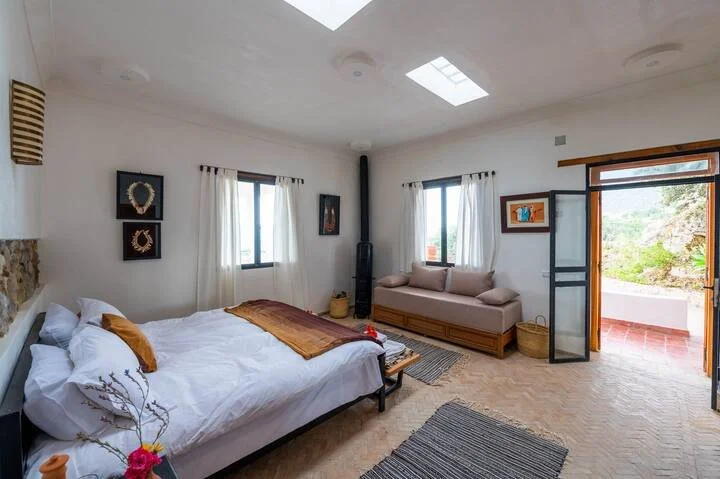
Farm Finn has 7 modern, en suite double bedrooms, divided over 2 locations. The main farmhouse has 5 bedrooms in addition to Dar Zeytoun, which has 2 bedrooms. Each ensuite bedroom is individually furnished to include handmade “bejmat” clay or rock tiled floors, wood burning “rocket heater” stoves, a “ferash”, or traditional Moroccan sofa bed and a private garden terrace.
All bedding is of Egyptian cotton and feels great! Pillows and duvets are filled with down feathers, unless specifically requested otherwise.
Food
Tuition includes three meals a day along with coffee and tea Monday-Friday. On Saturday and Sunday just breakfast is provided.
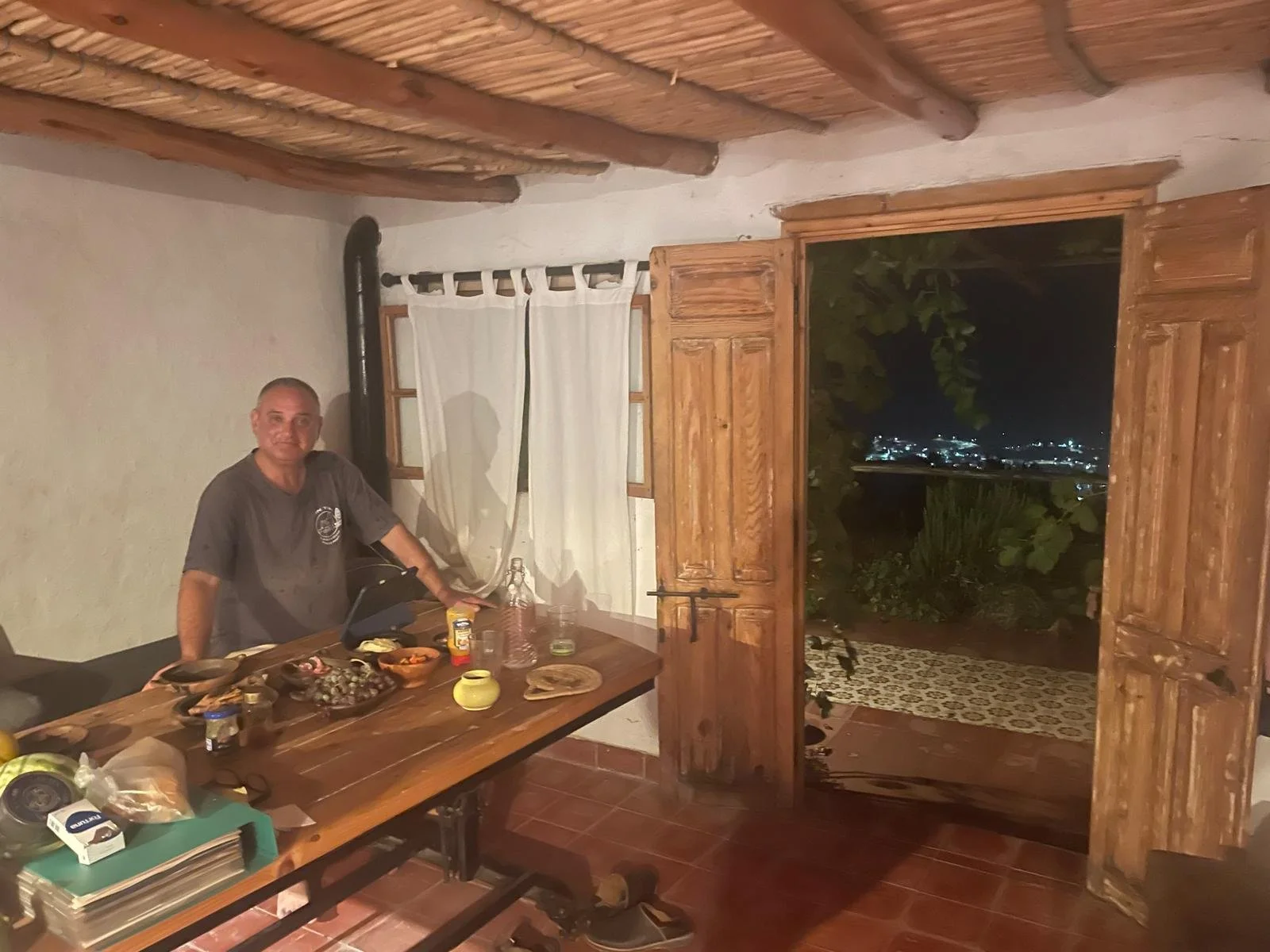
Organic food is at the heart of Farm Finn. They practice a seasonally based “farm to fork” philosophy, so their menus depend upon what miracles have been produced by their head gardener and chef.
They believe that when you use fresh, tasty ingredients, even the simplest of dishes can be extraordinary. Their menus aren’t just bursting with flavor, they are centered around health, well being and sustainability. As far as possible, Farm Finns’ home-grown produce goes into all their menus. If they are unable to use their own produce, they source locally from farms in Loubar or from the souks in Chefchaouen.
At Farm Finn, we offer a vegan and vegetarian menu based upon traditional and contemporary Middle Eastern and North African recipes. They produce their own olive oil, bread and seasonal jams, chutneys, juices, teas and infusions.
September 6 - 19, 2026
The Daily Schedule
We are aware that students make a big investment in a workshop like this. We honor your time and do the best we can to share our knowledge and experience. Expect long days with lots of building and learning. On some evenings we will show slides and films featuring our previous projects and that of other people and cultures. Believe it or not, we also still like to make time for a campfire, variety show and some music. We always strive to make the workshop itself a comfortable, memorable and fun experience.
We start with breakfast at 7:30, and end with lunch on
7:30 breakfast
8:30 building session 1
1:00 lunch
2:30-5:30 building session two, lectures, discussion
6:30/7:00 Dinner
8:00 lectures/slideshows/campfire/free time
Weekends are open for you to explore! We may also offer some fun classes on bread baking, jam making, yoga, treks in the national park…etc, all led by locals.
Airport Pickup and Drop Off
We’ll organize one pickup and drop off from the Tangier airport before the start of the workshop and at the end of the workshop.
Instructors
Lead instructor Kyle Isacksen has been building with earth since 2010 and teaching natural building since 2011 with House Alive, Be the Change Project, and now Cobitat. Kyle has a background in construction, teaching, and simple living. He’s worked as a framer, carpenter, and commercial roofer, built a “green” conventional house in his neighborhood in 2020 and is currently building another one with a friend. His blend of natural building and conventional construction know-how and living an alternative lifestyle for almost two decades allows him to offer a nuanced perspective on building and living. He was a science teacher for 7 years, is a frequent speaker on sustainability, and is a contributing writer for Mother Earth News magazine. Kyle enjoys basketball, hiking, reading, and martial arts.
Katy Chandler is the co-founder of the Be the Change Project and has lived in and worked with natural building materials for many years. She is a prolific gardener, certified permaculture designer, urban garlic farmer, math teacher and school designer. Teaching and facilitating these workshops is one of her favorite things to do and she brings a passionate understanding of the role that natural materials can have in our lives. She loves to dance, laugh, and pore over seed catalogs while cozied up to the wood stove on long winter nights. Kyle and Katy also have two teenage sons.
Kathleen O’Brien started natural building with two Versaterra workshops several years ago and has gone on to teach with us in India, Mexico, Oregon and Nevada. She has extensive carpentry experience, is a certified Permaculture designer and talented grower, and has over 20 years of public school teaching experience. She is an avid reader and writer and is currently building her own off-grid home at Long Ranch in Surprise Valley, Nevada.
Jonathan Vocke started natural building with a Versaterra course years ago and has since built and taught with us in India, Mexico, and Nevada and on his own in his hometown of Baltimore. When not slinging mud he’s a professional musician and music teacher and an avid traveler and adventurer. Every workshop he’s a part of benefits from his musical talents, his energy, and his skill as a teacher.
Registration, Payment, & Refunds
This workshop requires a $1000 deposit to hold your space. When a deposit is made, Kyle will reach out to you, welcome you to the course, and get you in the email loop with all the details.
Go here to make a deposit or send a check for $1000 made out to “Cobitat” and mailed to 2055 McCloud Avenue, Reno, NV 89512.
Deposit is refundable (minus $50 for books and mailing cost if they’ve already been shipped to you) until July 1 . If you cancel after that and your spot can be filled, we will issue a refund minus book costs. If it can’t be filled, your deposit will not be refunded.
Full payment is due July 30th.
Versaterra Certification
After full participation, every student will receive a Versaterra certificate. We believe that after taking this workshop, participants are qualified to teach short courses. By providing a certificate, we want to empower our students to become facilitators of community revitalization through building with earth!
*Versaterra is a holistic design, building, and living philosophy, celebrating clay-soil as its primary building material. Clay-soil is:
Plentiful, inexpensive or free, durable, easy to maintain and modify, and endlessly reusable
Non-toxic, breathable, soft, beautiful, and displays superior performance in a wide variety of climates
Sculptural by nature, inviting to work with needing only simple tools and methods, and easily combinable with other natural and human made materials.
By focusing on these specific qualities of clay-soil, we can make the design, building, and living process a conduit for community revitalization and personal transformation, while creating housing with dignity for the people of this world.